Biomedical Equipment Technician ROI in Georgia: Calculating the True Cost of Certification vs. Degree
Before You Enroll: The Single Most Important Calculation for Career Changers
If you are considering a career pivot into biomedical equipment technology, the first step you must take is not researching schools; it is calculating your true opportunity cost. Most prospective students focus solely on tuition—the sticker price—but the real cost of a career change involves lost wages, the time spent in training, and the potential need to retrain again.
A data journalist approach requires you to treat your education budget like an investment portfolio, not a line-item expense. Before you look at a single program brochure, you must answer two questions: What is the minimum salary required to make this career financially viable in your specific Georgia metro area, and how many months of lost income can you afford while in training?
By establishing these baseline numbers, you can filter out programs that promise high returns but demand unsustainable upfront investment. This checklist serves as your immediate action plan:
- Step 1: Define the Target Salary Range. Use the Bureau of Labor Statistics (BLS) Occupational Outlook Handbook data for Biomedical Equipment Technicians in the Southeast. Determine the median wage for the region.
- Step 2: Estimate the Time Commitment. Determine the shortest, most focused path (e.g., a 9-month certificate program vs. a 2-year Associate's degree).
Understanding this framework allows you to evaluate programs based on Return on Investment (ROI) rather than perceived prestige.
Defining the Field: What Does a Biomedical Equipment Technician Actually Do?
The title "Biomedical Equipment Technician" (BMET) is broad, encompassing everything from sophisticated imaging machinery (MRI, CT scanners) to basic life support devices. A BMET is fundamentally a highly skilled, specialized repair and maintenance professional. They are the operational backbone of hospital technology.
The Scope of Work: Maintenance vs. Repair
It is critical to understand the difference between maintenance and repair.
- Preventative Maintenance (PM): This is the proactive work. It involves following manufacturer-specified schedules to test, clean, and calibrate equipment before it fails. This requires deep technical knowledge and adherence to strict protocols.
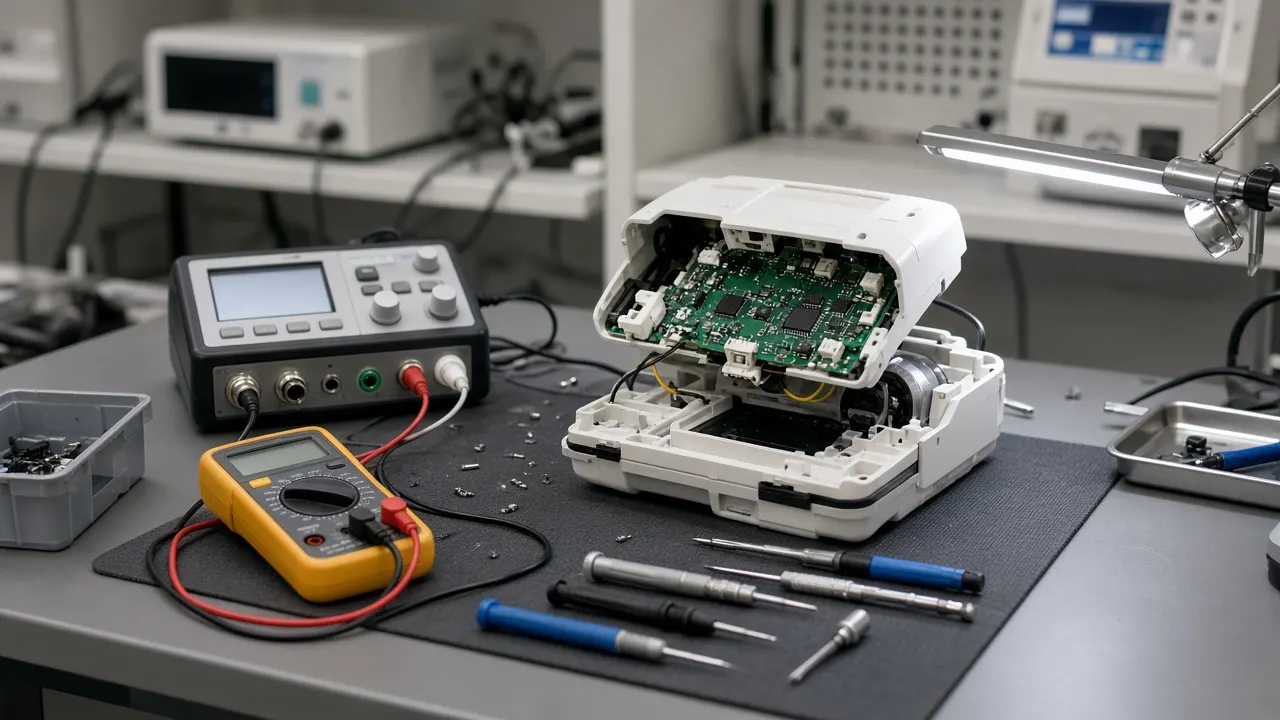
- Corrective Maintenance (CM): This is the repair work. When a machine breaks, the BMET must diagnose the failure point, determine if the component is salvageable, and execute the repair. This requires advanced troubleshooting skills.
- Installation and Calibration: BMETs are also responsible for ensuring new, complex equipment is installed correctly and calibrated to meet clinical standards.
Job Outlook and Growth Metrics
According to the U.S. Bureau of Labor Statistics (BLS), employment of medical equipment technicians is projected to grow significantly. While specific state-level data varies, the national trend indicates sustained demand. The BLS data confirms that the field requires continuous technical education because the technology itself—the equipment—is constantly evolving. This rapid technological change is a key factor in the ROI calculation: your education must be adaptable, not just current.
The Cost Equation: Certifications vs. Degrees in the BMET Field
The core decision for adult learners is whether the immediate, focused knowledge of a specialized certificate is more valuable than the broad, academic foundation of an Associate’s or Bachelor’s degree. The answer is not absolute; it depends entirely on your career goal.
The Case for the Focused Certificate (The Quick ROI)
- Focus: Certificates (often housed within technical or continuing education departments) are designed to be highly granular. They teach specific, immediately applicable skills—e.g., working with specific operating systems, mastering electrical schematics, or understanding specific diagnostic protocols.
- Cost/Time Efficiency: These programs are typically shorter (6 to 12 months) and focus heavily on hands-on lab work. This minimizes the opportunity cost associated with time away from the workforce.
- Employer Perception: For entry-level BMET roles, many hiring managers prioritize demonstrable technical competence over academic breadth. A certificate, paired with strong practical skills, can signal immediate job readiness.
The Case for the Degree (The Long-Term Safety Net)
- Focus: A degree (such as an Associate of Applied Science in Health Sciences or Biomedical Technology) provides a structured curriculum that covers not only the technical aspects but also the foundational sciences (anatomy, physiology, advanced mathematics, medical ethics).
- The Limitation: The primary limitation of the degree is that it can be slower and more expensive than necessary if your only goal is to become a hands-on repair technician.
Actionable Takeaway: If your only goal is to be a working BMET as quickly and affordably as possible, the specialized certificate is often the most direct route. If you anticipate needing a managerial or administrative role within the healthcare system five to ten years from now, the degree provides a more robust safety net.
Analyzing the Credentialing Landscape: What Employers Actually Require
In the technical field of biomedicine, the most valuable "credential" is not the diploma; it is the combination of manufacturer-specific training and industry-recognized certifications.
Beyond the School Diploma: The Industry Standard
Employers rarely hire solely based on the name of the school. They hire based on the demonstrable ability to troubleshoot complex systems. Therefore, your training must prepare you for these external requirements:
- Manufacturer Certifications: When a hospital buys a new piece of equipment (e.g., Siemens MRI or GE Ventilator), the manufacturer often requires that the technician be trained by them. These specialized courses are often the most valuable and expensive part of the training.
- Industry Certifications: Organizations like the Association for the Advancement of Medical Instrumentation (AAMI) provide standards and guidelines that are crucial for best practices. Being trained in these standards is a major asset.
- State Licensure/Registration: While the BMET role is often highly skilled but not always state-licensed in the same way as a nurse, understanding the state's specific scope of practice laws is non-negotiable.
Checklist for Vetting Programs
When evaluating any program, ask these critical questions:
- Do they have industry partnerships? (i.e., Do they have relationships with local hospitals or equipment manufacturers for externships?)
- Does the curriculum focus on troubleshooting methodology? (Or just on reading manuals?)
- Do they include simulated, high-stakes failure scenarios? (The best training replicates real-world pressure.)
For a practical comparison of how different local programs structure their offerings and costs, you can explore this comparison tool.
The ROI Calculation: Accounting for Time and Opportunity Cost
To truly calculate the Return on Investment (ROI), you must move beyond the tuition cost and incorporate three major financial variables:
1. The Cost of Lost Wages (The Largest Variable)
If you are currently earning $30,000 per year, and a certificate program requires 10 months of full-time study, your opportunity cost is $2,500 per month, or $25,000 total. If the program costs $10,000, you have already spent $15,000 more than the tuition fee just by stopping your current income stream. This calculation must be the foundation of your decision.
2. The Cost of Materials and Tools
Technical fields require tools. Do you need to purchase a specialized diagnostic kit? Are those costs factored into the program's tuition, or are they a separate, unexpected expense? Always ask for a detailed breakdown of required equipment costs.
3. The Post-Graduation Earning Curve
The ROI is not measured by the cost of the education; it is measured by the increase in your lifetime earning potential compared to your starting point. A well-designed BMET program should place you in a position to earn at least 15–25% above your pre-training income within two years. If the program cannot demonstrate this trajectory, its value is questionable.
Navigating Program Selection: A Georgia-Specific Approach
When selecting a program in Georgia, the goal is to find a balance between academic rigor and industry proximity.
Focus on Local Hospital Affiliations
The single greatest indicator of a program's quality is its connection to local healthcare facilities. A program that has established externship agreements with major Georgia hospitals (e.g., those affiliated with the VA or large university medical centers) provides invaluable, real-world experience. This experience is often more valuable than the coursework itself.
The Role of the Program Director
In technical fields, the Program Director's professional background is critical. You want a director who is a practicing BMET or a clinical engineer, not just an academic administrator. Their insight into current industry challenges and required skills will be invaluable.
The Hybrid Learning Model
Many successful technical programs are moving toward a hybrid model. This allows you to complete the theoretical, academic components (like anatomy and electrical theory) at your own pace, while reserving the in-person time for mandatory, hands-on lab work and clinical shadowing. This maximizes your efficiency and minimizes the time you are completely removed from the workforce.
Career Trajectory and Advanced Specialization
The BMET role is not a dead end. The earning potential and career path are highly dependent on continuous specialization.
Moving Beyond the Technician Level
As you gain experience, you can specialize in high-demand, high-cost equipment areas:
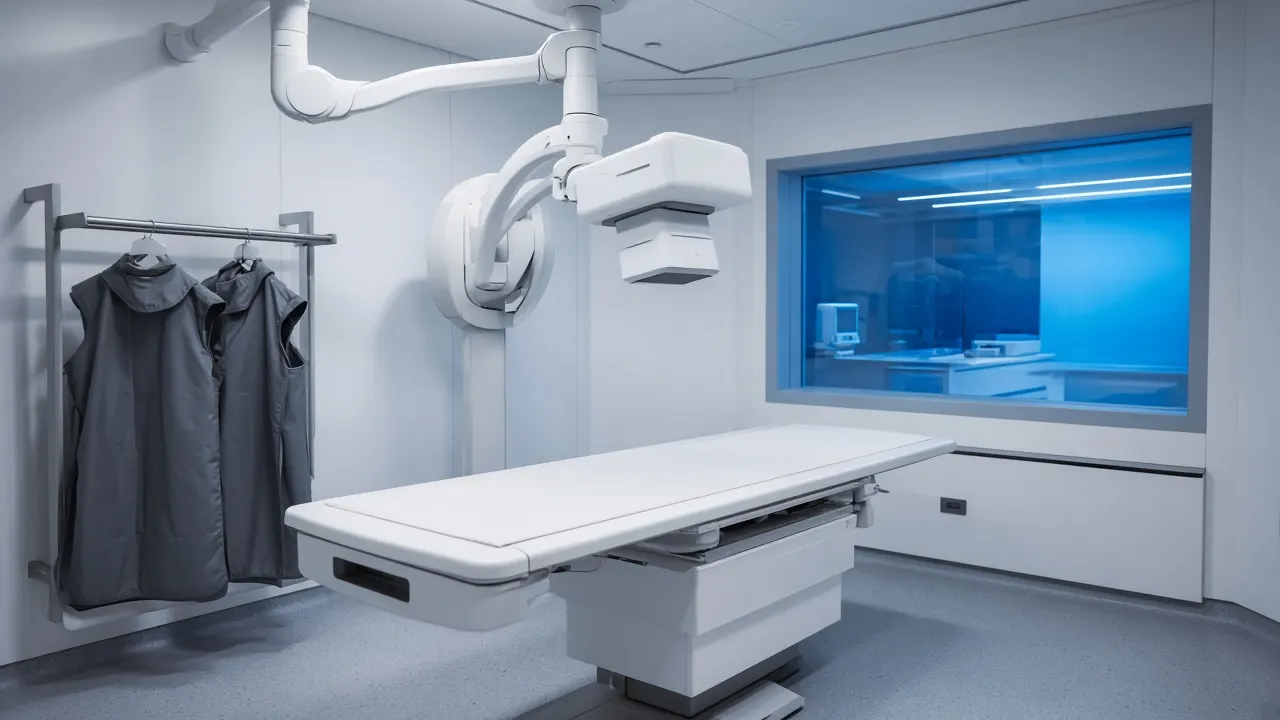
- Imaging Specialists: Focusing solely on MRI, CT, and X-ray technology. These machines are incredibly complex and require deep knowledge of physics and electronics.
- Cardiovascular Specialists: Focusing on cardiac monitoring equipment, pacemakers, and advanced life support systems.
- Robotics and Surgical Technology: This is the bleeding edge, requiring knowledge of complex mechanical systems and software integration.
The Value of Continuing Education Units (CEUs)
The best BMETs view their education as a continuous cycle. After initial certification, the highest ROI comes from pursuing specialized CEUs offered by manufacturers or professional associations. These units keep your skills current and keep your resume competitive.
Georgia College Guide suggests that the best programs integrate this concept of continuous learning into the curriculum, teaching you how to learn new technologies, not just what to fix today.
Next Step
The decision between a focused certificate and a comprehensive degree is a financial and career risk assessment. By prioritizing the time and money you can afford to lose, you can select the most direct and high-ROI path. When you are ready to put this workflow into practice and compare local program structures and costs, browse live listings.
Compare every Georgia college
Independent data on every college in Georgia